Narrative and non-narrative
The press's most recent development has been the Narrative series – which includes both narrative and non-narrative imaginative prose writing.
The Narrative series grew out of the conviction that there is a body of experimental, extended prose writing which (in the UK at least) has few outlets because it doesn't fit restricted marketing categories.
Explorative writing that brings into question the whole basis of narrative is as old as prose fiction itself - think of Sterne's Tristram Shandy, for example, with its recursive and metafictional routines. Nobody needs reminding that Joyce and Gertrude Stein blew apart the conventions of narrative fiction a century ago. Beckett's trilogy progressively deconstructed narration and fictionality and their absurdities, ending on the last page of The Unnamable with the celebrated paradox "I can't go on, I'll go on."
The Surrealists were fascinated with the illogic/hyper-logic of dream narratives. One of their heroes, Raymond Roussel, pioneered the use of arbitrary constraints to generate fantastical content. His methods survive in the work of the Oulipo writers, such as Jacques Roubaud and Georges Perec.
Kafka, Bruno Schulz and Borges extended the subject matter fiction could address, dealing in the metaphysical dimensions beyond our domestic lives. Camus introduced existentialism. Nathalie Sarraute, Robbe-Grillet and other nouveau roman authors applied a hyper-realistic treatment to domestic banalities which exposed their essential strangeness.
In the USA in the 1950s, William Burroughs exploited Brion Gysin's cut-up technique to construct novels of extreme fantasy and satire that followed no known models. Less explosively but no less radically, the fiction of Thomas Pynchon, Donald Barthelme, Gilbert Sorrentino, Fielding Dawson and others have formed a counterpoint to the normative work of such as Bellow, Updike or Joyce Carol Oates.
British official literary culture is predominantly conservative. But we can point to the cut-up narratives of poets Roy Fisher and Tom Raworth, the work of Stefan Themerson and Gaberbocchus Press, the 1960s novels of Ann Quin, B S Johnson and Alan Burns (whose Babel is entirely collage), the experimental fiction of Christine Brooke-Rose, the fantasy fiction of Angela Carter and the 1980s works of Rosalind Belben. The speculative fiction writers of the New Worlds group brought SF imagery into their work, and for a period J G Ballard also experimented with radical form (eg The Atrocity Exhibition).
Closer to the present day, the Language poets in the USA in the 1970s explicitly questioned narration, fictionality and characterisation, and the extended prose works of writers such as Lyn Hejinian or Ron Silliman were sometimes labelled "non-narrative". In contrast and reaction to these, writers associated with the "New Narrative" movement, such as Robert Glück, Bruce Boone, Kathy Acker, Dodie Bellamy and Kevin Killian, have experimented with narrative techniques and explicit sexual content. Others such as Ron Sukenick and Fanny Howe have widened the boundaries of fiction in their own individual ways. And back in the UK, Iain Sinclair moved from innovative poetry to fiction and imaginative non-fiction.
The Reality Street Narrative series is proud to follow these traditions, and to play its small part in extending them.
Reality Street
Narrative Series
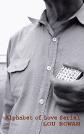
#15. Lou Rowan:
ALPHABET OF LOVE SERIAL
Twenty stories about the absurdities of relationships by the editor of Golden Handcuffs Review
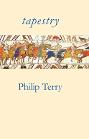
#14. Philip Terry:
TAPESTRY
The stories of the Norman Conquest you never heard. This tour de force of language was shortlisted for the 2013 Goldsmiths Prize for innovative fiction.
#13. Ken Edwards:
DOWN WITH BEAUTY
Exile, war, paranoia, improvised music and nothingness - a series of linked monologues, dialogues and short fictions. Includes Nostalgia for Unknown Cities.
#12. Sean Pemberton:
WHITE
Close descriptions of an unnamed city during a single day in summer in alternating prose and open-field sections.
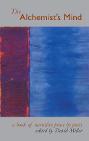
#11. THE ALCHEMIST'S MIND
A collection of diverse, radical prose narratives by 28 poets, including Vahni Capildeo, Barbara Guest, Lee Harwood, Lyn Hejinian, Fanny Howe, Robert Lax, Brian Marley, Bernadette Mayer, Keith Waldrop, Rosmarie Waldrop.
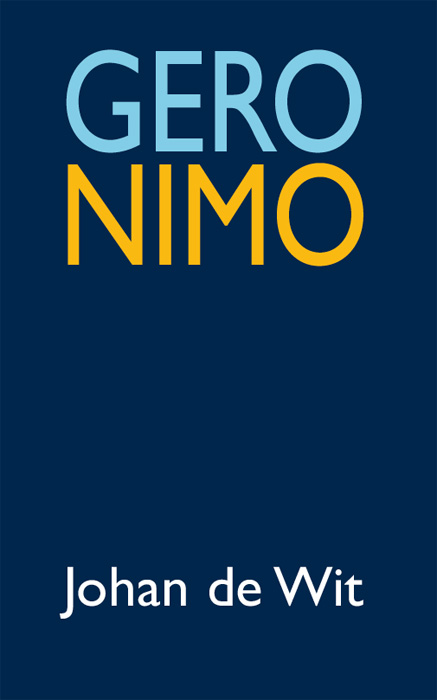
#10. Johan de Wit:
GERO NIMO
Sixty characters, sixty chapters - an absurdist narrative by this Dutch-born avant-garde legend.
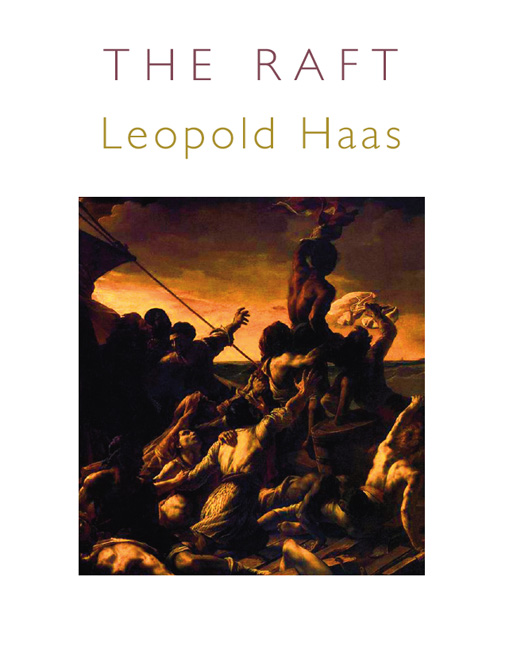
#9. Leopold Haas:
THE RAFT
The story of the Raft of the Medusa re-told through the voices of 12 survivors, using rigorous serial procedures.
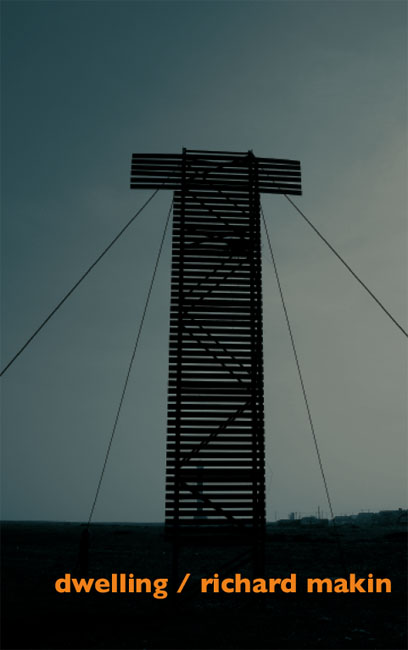
#8. Richard Makin:
DWELLING
This immense work, without recognisable characters or plot, straddles the gap between the novel and the installation.
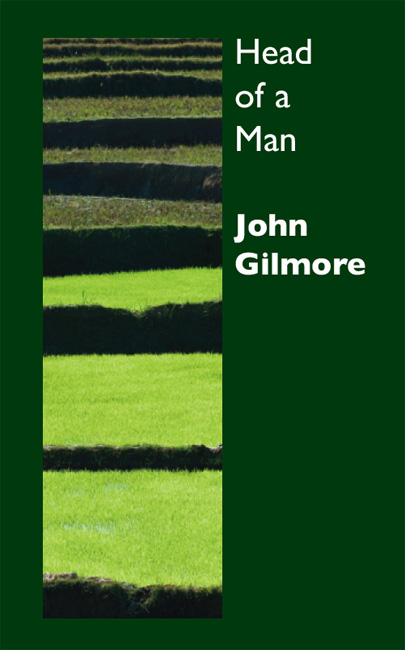
#7. John Gilmore:
HEAD OF A MAN
This poetic narrative subverts one of the primary stories of Western culture, Odysseus’ entrapment by the sorcerer Circe and his subsequent journey to the underworld.
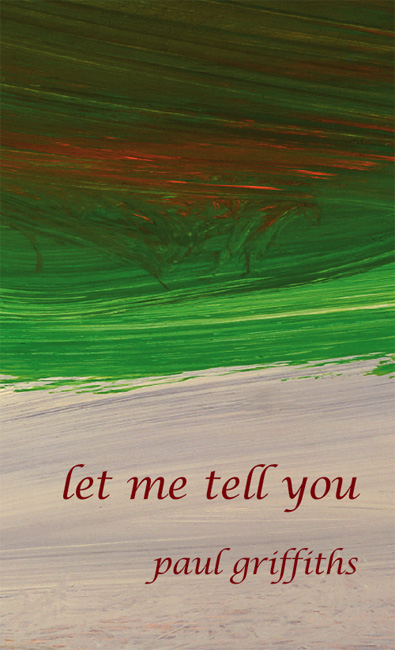
#6. Paul Griffiths:
LET ME TELL YOU
An extraordinary novel in the Oulipo tradition composed entirely of the vocabulary Ophelia is allotted in Hamlet.
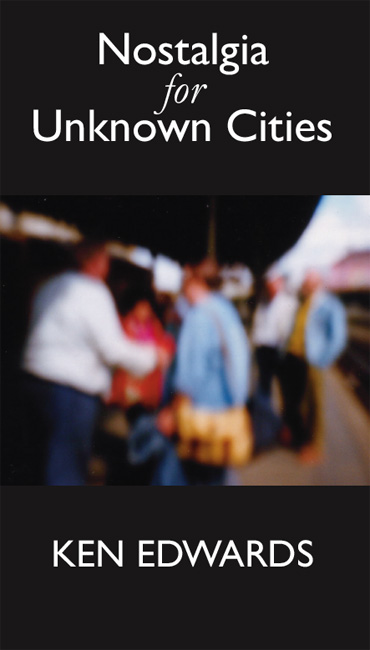
#5. Ken Edwards:
NOSTALGIA FOR UNKNOWN CITIES
Now out of print, but included in Down With Beauty (above).
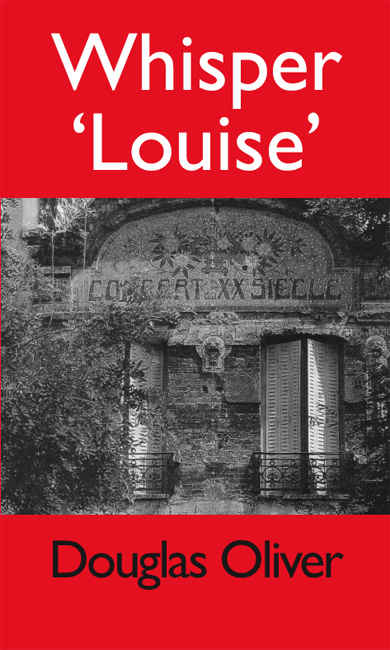
#4. Douglas Oliver:
WHISPER 'LOUISE'
A "double memoir" of the poet Douglas Oliver (1937-2000) and the Paris Communard Louise Michel, leading to an extended meditation on poetry, politics and life.
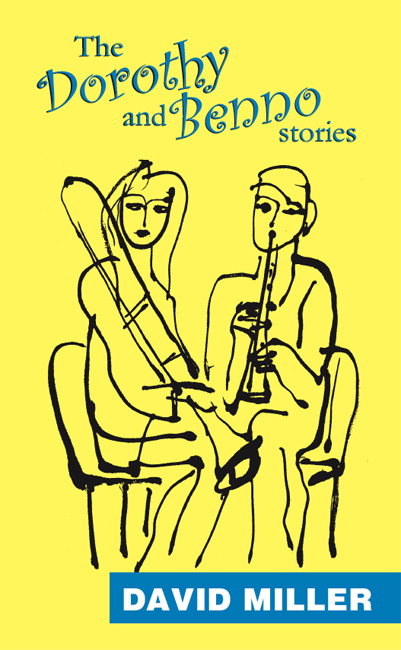
#3. David Miller:
THE DOROTHY & BENNO STORIES
Taking the familiar tropes of detective fiction and turning them inside out, to hilarious and touching effect. In further stories, the humour sometimes gets very dark indeed.
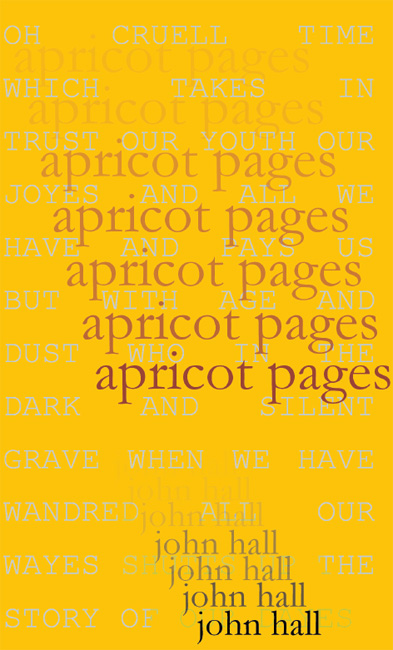
#2. John Hall:
APRICOT PAGES
A story, like a journey, always appears to be going somewhere. The characters in this one would probably like that to be true but are by no means clear about a destination.
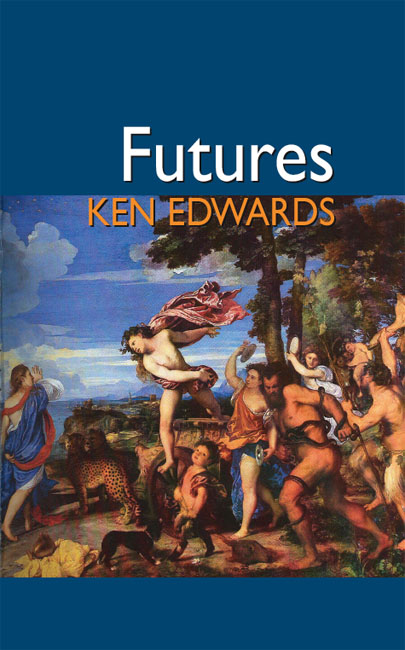
#1. Ken Edwards:
FUTURES
Traumatised by an event she can't remember, Eye bicycles out of the city in quest of a future that never quite arrives, until it does.Reissued after being briefly out of print.